Fall in Contra Costa County brings cooler temperatures, shorter days and plenty of opportunities to enjoy the outdoors with your pets. Whether you’re walking the trails around Mount Diablo, exploring local parks, or simply spending more time outside, the changing season also brings a few hazards pet parents should know about. From ticks and wildlife to fallen acorns and seasonal foods, here are ten fall hazards Contra Costa County dog and cat owners should keep in mind.
1. Ticks
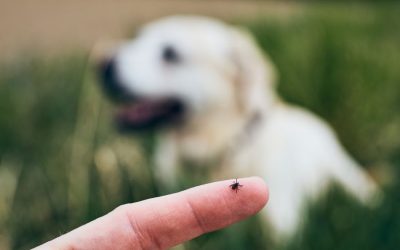
Many pet owners assume ticks are only a summer concern, but that isn’t true in Contra Costa County. Adult ticks can be particularly active during the cooler fall and winter months. Dogs that spend time hiking, walking through tall grass or exploring wooded areas can pick up ticks on their adventures. After time outdoors, check your dog thoroughly, paying particular attention to the ears, neck, legs, and between the toes. Cats that spend time outdoors should also be checked regularly. For pets that frequent the outdoors, year-round flea and tick prevention can help reduce the risk of exposure to tick-borne illnesses and diseases.
2. Acorns and Fallen Oak Leaves
Oak trees are common throughout Contra Costa County, and Fall means plenty of acorns on the ground. While an occasional acorn may pass without issue, eating large quantities can cause gastrointestinal upset or, in some cases, more serious complications. Acorns can also pose a choking or intestinal blockage risk, particularly for smaller dogs. Watch curious dogs attentively during walks and discourage them from eating acorns or other fallen objects.
3. Mushrooms
Cooler, wetter weather can encourage mushrooms and other fungi to appear in parks, yards and natural areas. Unfortunately, it can be difficult to distinguish potentially toxic mushrooms from the harmless varieties. Dogs are particularly likely to investigate mushrooms with their noses and mouths. Keep your dog away from unfamiliar fungi. If you suspect your pet has eaten one, contact your veterinarian promptly.
4. Coyotes and Other Wildlife
Fall can mean increased wildlife activity in some areas. Contra Costa County is home to coyotes and other wild animals that can pose a risk to cats and small dogs. Keep dogs on a leash when walking, and avoid letting cats roam outdoors unattended. If you encounter a coyote, remember to keep your distance and bring your pet inside if possible. Never allow your dog to chase wildlife.
5. Shorter Days and Reduced Visibility
As the days get shorter, many people walk their dogs after sunset. Reduced visibility can make it harder for drivers, cyclists and other pedestrians to see you and your pet. Consider investing in and using reflective collars, leashes or clothing and carry a flashlight when walking after dark. Stick to familiar, well-lit routes and keep your dog close.
6. Fall Allergies
Dogs and cats can experience seasonal allergies just like people. Pollen, mold, grasses, and other environmental allergens can cause itching, licking, sneezing, or skin irritation. If your pet suddenly becomes itchy or develops other unusual symptoms this fall, speak with your veterinarian. In the meantime, wiping your dog’s paws and coat after outdoor adventures can help remove potential allergens and make them feel a bit more comfortable.
7. Fleas
Cooler temperatures don’t necessarily mean flea season is over. Fleas can still thrive in suitable outdoor environments and warm indoor spaces. Skipping preventative treatments during the Fall could leave your pet vulnerable. Ask your veterinarian which flea and tick prevention strategy fits best for your pet and local environment.
8. Halloween Hazards
Halloween is a popular and celebrated day; however, it also introduces several potential dangers for pets, including chocolate, candy containing xylitol (an artificial sweetener), decorations, candles, and unfamiliar visitors. During this time, keep treats securely out of reach and consider giving nervous pets a quiet room away from the front door. Constant doorbell ringing and unfamiliar costumes can stress some dogs and cats.
9. Seasonal Foods
Pumpkin, turkey and other Fall foods can make their way into your pet’s diet when leftovers are shared. While some plain, pet-safe ingredients may be appropriate in moderation, rich foods, bones, onions, garlic, excessive fat and certain desserts can be dangerous. The safest approach is to stick to your pet’s regular diet and avoid giving them table scraps unless you know the ingredients are safe. Do your research before feeding your dog any food from the holiday table.
10. Heat and Dehydration
Although Fall is cooler than summer, Contra Costa County can still experience warm temperatures. Don’t assume that a Fall afternoon is automatically safe for strenuous exercise. Check the weather before heading out, bring water on longer walks and watch for signs of overheating. Remember that pavement and exposed trails can still become uncomfortable for paws on warmer days, so be attentive and monitor your pet’s behavior when you’re out with them.

Enjoy a Safe and Cozy Fall Season With Your Pet
Fall is a wonderful time in Contra Costa County. A little preparation can help you avoid common seasonal hazards while keeping your dog or cat comfortable and safe. Check your pet after outdoor adventures, maintain appropriate parasite prevention, keep tempting hazards out of reach, and watch for changing weather and wildlife activity. With these precautions in place, you and your pet can enjoy everything the Fall season in the County has to offer.
For your professional pet sitting needs, contact Apronstrings Pet Sitting.