The hard part of leaving home is rarely the suitcase. It is looking at the dog who knows the sound of your car in the driveway, the cat who expects breakfast at a precise hour, or the senior pet whose medication cannot be an afterthought. An employee pet sitting service is designed for families who need more than a favor. It provides organized, in-home care from a trained team that understands both the emotional commitment and the practical responsibility involved.
For busy households in Central Contra Costa County and select El Dorado County communities, dependable care can make work trips, family vacations, long office days, and packed schedules feel much more manageable. Pets stay where they are comfortable, while their routines receive the steady attention they deserve.
What Makes an Employee Pet Sitting Service Different?
Many pet owners begin by comparing professional care with asking a neighbor, hiring a friend, or finding an independent sitter. Each option can work in the right situation. A trusted neighbor may be wonderful for a quick check-in, and an independent sitter may be a good fit when you have an established relationship and flexible expectations.
The difference with an employee-based company is accountability built around a team, a system, and established standards. Rather than relying on one person’s availability alone, you are working with a managed care provider that hires, trains, supports, and monitors its staff. That structure matters when travel plans change, a sitter becomes unavailable, or a pet needs extra attention.
At Apronstrings Pet Sitting, that approach is backed by more than three decades of local experience and veterinary-informed leadership. Sitters are employees, not simply names on an app. They work from detailed care instructions, receive ongoing training, and are part of a professional operation that is bonded and insured.
That does not mean care feels impersonal. Quite the opposite. A well-run team gives each pet’s individual needs a reliable framework. The goal is for your dog to get the walk, companionship, and fresh water they expect; for your cat to have a clean litter box, quiet attention, and meals on schedule; and for you to know someone is paying close attention while you are away.
Familiar Routines Are a Form of Comfort
Boarding is the right choice for some pets, particularly those who enjoy a social environment or require a setting with constant onsite staffing. But many dogs, cats, and small household pets are calmer in their own homes. They know the smells, sleeping spots, feeding area, and daily rhythm. Removing them from that environment can add stress at the same time their family is gone.
In-home care keeps the important pieces of a pet’s day in place. A sitter can follow the normal feeding schedule, refresh water, administer approved medications according to instructions, provide walks or playtime, and give affection in a setting the pet already trusts. For cats, this often means avoiding the stress of a carrier, a car ride, and an unfamiliar boarding space. For older pets, it can mean less disruption to mobility needs and comfort habits.
Routine also gives a professional sitter a clearer picture of what is normal. If a pet who usually rushes to the door seems withdrawn, skips a meal, or has an unusual change in bathroom habits, that difference is easier to recognize when care notes and visits are consistent. No service can promise that a pet will never have a problem while their guardian is away. What professional care can offer is trained observation, clear communication, and a thoughtful response when something does not seem right.
The Details Behind Dependable Care
The best pet sitting experiences are not built on vague promises to “love animals.” Genuine affection matters, of course, but dependable care also requires preparation. Before the first reservation, a professional service should learn how your household works and what your pets need.
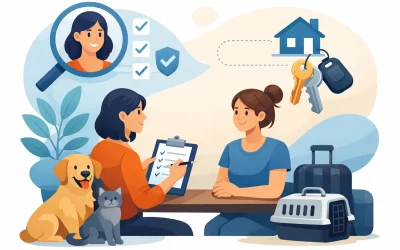
A thorough process generally begins with registration and detailed digital care notes. These records should cover feeding instructions, medications, veterinary contacts, behavior information, emergency contacts, entry procedures, preferred routines, and the small details that help a pet feel known. An in-home meet-and-greet then gives everyone a chance to connect in person. Your pet can meet the caregiver, and you can walk through the home, demonstrate routines, and ask practical questions.
This may feel more formal than handing a key to a neighbor, but that is the point. Good preparation reduces assumptions. It helps ensure that the person arriving at your home knows which leash to use, where the food is stored, how your cat prefers to be approached, and what to do if your dog is nervous around delivery trucks.
An employee pet sitting company should also have a plan for oversight and continuity. Software-based sitter monitoring, secure care records, and management support create useful checks around each visit. If a primary sitter cannot complete an assignment, the company can use established notes to help another trained team member step in. For clients, that can be a major source of reassurance during a long trip or a time-sensitive workday.
Care for Pets and Respect for Your Home
When you invite someone into your home, you are trusting them with far more than a food scoop and a leash. You are trusting them with house keys, access codes, personal space, and the safety of the furry family members waiting inside. A professional provider should treat that responsibility with the seriousness it deserves.
Bonded and insured coverage, employee screening, training, and clear procedures are practical protections, not marketing extras. They show that the company recognizes the real stakes of in-home service. Caregivers should know how to enter and secure the home, follow client instructions, report concerns promptly, and leave the space tidy after each visit.
Household care can also be part of the value. Depending on the service arrangement, a sitter may bring in packages, adjust lights, take bins in or out, and provide the lived-in presence that helps a home look attended while you travel. These tasks are not a replacement for a security system or a house sitter for major property needs, but they are helpful touches that support a well-managed home.
When Daily Dog Walking Makes the Difference
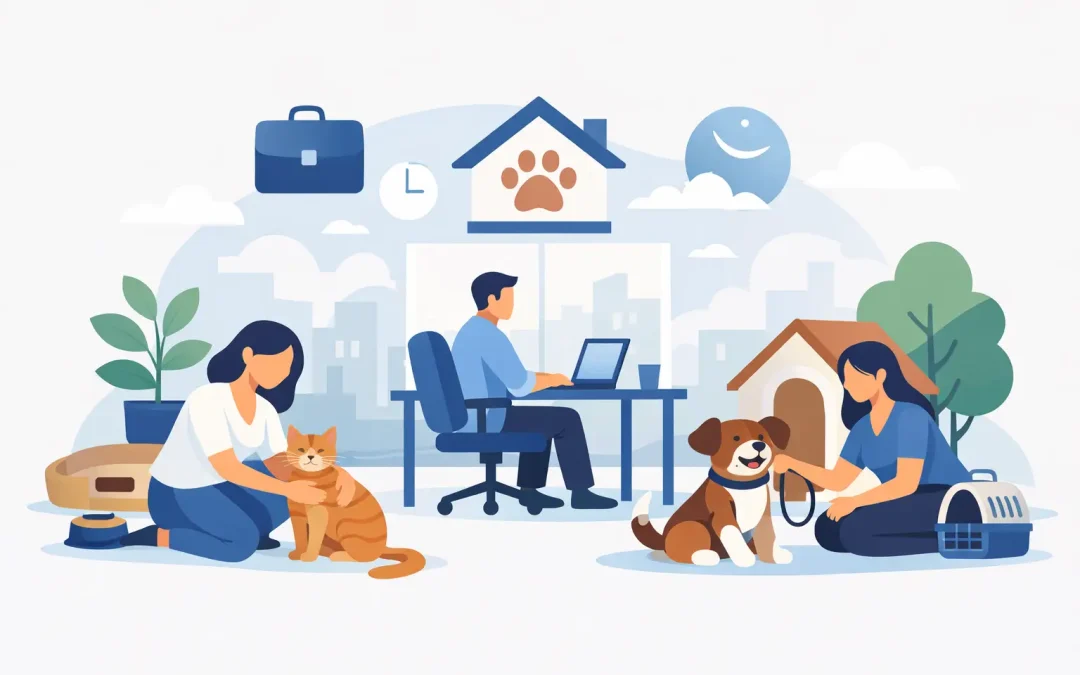
Pet sitting is not only for vacations. Plenty of loving pet owners are home every evening but still need help during the workweek. A commute from Walnut Creek, Concord, Pleasant Hill, Clayton, Lafayette, Moraga, Orinda, or Martinez can turn a normal day into a long one for a dog waiting at home. Remote work can be equally demanding when meetings fill the calendar and a midday walk keeps getting pushed back.
A scheduled dog walk gives dogs an outlet for movement, sniffing, bathroom breaks, and one-on-one attention. It can also support a more comfortable evening at home. The right visit frequency depends on your dog’s age, energy level, health, training, and time alone. A young, active dog may need a more substantial break than a quiet senior dog, while a puppy may need more frequent visits and a carefully structured routine.
Cats benefit from dependable visits too, even though they are often viewed as more independent. Regular care means fresh food and water, litter box attention, medication support when needed, play, and a person who can notice changes. Whether you live in Placerville, Camino, Diamond Springs, Pollock Pines, or another covered community, the value is the same: your pet receives care that is planned, not improvised.
Choosing the Right Fit for Your Family
Not every professional service is identical, and the cheapest option is not automatically the best value. Ask how sitters are hired and trained, whether the company is bonded and insured, how it handles emergencies and staff absences, and how visit information is recorded. Find out whether there is an in-home meeting before service begins and whether the company can follow the specific routines that matter to your pet.
It is also fair to ask about communication. Some families want a brief update after every visit, while others prefer to check in only when there is something unusual to report. The best arrangement is the one that gives you confidence without adding unnecessary noise to your day.
Most of all, pay attention to whether the provider listens. Your pet is not a generic appointment. Their habits, quirks, health history, and comfort signals deserve to be understood. A careful onboarding conversation is often the first sign that a company will take the rest of the relationship seriously.
Leaving your pet in someone else’s care will probably never feel completely easy-peezy the first time. But when the care is structured, compassionate, and backed by a trained employee team, you can step out the door knowing your pet’s familiar world is still being cared for with attention and love.