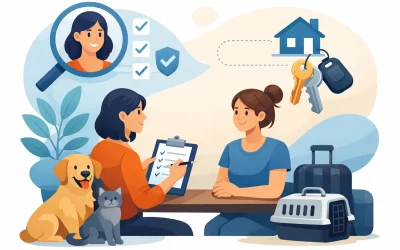
The first time someone caring for your pet walks through your front door should not happen when you are halfway to the airport. A pet sitter meet and greet gives your furry family member time to get acquainted, gives the sitter a complete picture of daily care, and gives you the confidence that the little details are covered before you leave.
For pets, familiar routines and familiar surroundings matter. For their people, peace of mind comes from knowing the person entering the home understands not only the feeding schedule, but also the shy cat’s hiding place, the dog’s preferred walking route, and the exact way the back gate latches. The meet and greet is where that dependable care begins.
Why a Pet Sitter Meet and Greet Matters
A professional meet and greet is more than a quick introduction. It is an in-home planning visit designed around your pet, your household, and the services you need. It allows the sitter to observe how your pet responds to a new person while you are there to provide reassurance and answer questions.
Some pets greet visitors with a full-body wag and immediate toy delivery. Others need a little space before deciding a new person is trustworthy. Cats may watch from a favorite perch or choose not to make an appearance at all. Both responses are perfectly normal. The sitter can learn how to approach each pet respectfully, without rushing a relationship that needs time to develop.
This visit also helps prevent avoidable surprises. A written instruction that says “give medication with dinner” is useful, but a demonstration of how your cat prefers a pill tucked into a treat can make all the difference. Likewise, hearing that your dog is nervous around delivery trucks is helpful, but seeing how the dog reacts to the sound of the doorbell provides important context.
For a professional service, the meet and greet is part of building a reliable care record. At Apronstrings Pet Sitting, detailed digital notes help the care team follow the plan you establish, even when more than one trained employee may be involved in your pet’s care.
What Happens During the Visit
The best meet and greets have a relaxed feel, but they are also organized. You will have time to introduce your pets, explain household routines, and walk through the practical details that keep visits safe and easy-peezy.
Your pet gets to set the pace
The sitter will greet your pet calmly and let them decide how much interaction feels comfortable. A confident dog may be ready for attention right away. A cautious dog may do better with a few quiet minutes and no direct pressure. With cats, the goal is often to create a calm first association rather than insist on an introduction.
You can help by behaving normally. Use your usual friendly voice, allow your pet to observe, and avoid apologizing if they are reserved. A good sitter understands animal body language and will not interpret a shy response as a problem.
You share the everyday routine
This is the time to explain what a typical day looks like. Talk through feeding times and portions, treats, walk schedules, litter box or yard cleanup, play preferences, sleeping arrangements, and any habits that make your pet feel settled.
Details that may seem small can be very meaningful. Does your senior dog need extra time on stairs? Does your cat only drink from a particular fountain? Does your puppy become tempted by shoes left near the entryway? These are the things that help a sitter provide continuity rather than simply complete a checklist.
You walk through the home and access plan
Your sitter will need to know where food, leashes, carriers, cleaning supplies, medications, and favorite toys are kept. Show them the safest way to enter and exit, which doors should remain closed, how alarms or gates work, and where keys or access instructions are managed.
This is also a good time to identify anything that requires special attention, such as a loose fence panel, a door that sticks in damp weather, or a room that is off-limits. Home security and pet safety go together, so clear access instructions are an essential part of professional in-home care.
Questions Your Sitter Should Ask
A thoughtful sitter will guide much of the conversation. You should expect questions that go beyond basic meals and potty breaks. The answers help create a care plan that is realistic, safe, and personal to your household.
Your sitter may ask about your pet’s veterinarian, emergency contacts, vaccination status when relevant, medications, allergies, past injuries, and any signs of illness that should prompt a call. They may also ask about behavior around other dogs, strangers, children, bicycles, wildlife, food, or handling.
Be candid about behavior concerns. Growling, guarding a bowl, hiding, leash reactivity, accidents, or fear during thunderstorms are not reasons to feel embarrassed. They are useful facts that allow the sitter to plan responsibly. A professional needs the full picture to make good decisions, especially if your pet becomes stressed while you are away.
You should also discuss communication. Decide how often you would like updates and what is most reassuring for you, whether that is a visit report, photos, messages, or a quick note about your pet’s appetite and mood. Clear expectations help you relax without feeling the need to check in constantly.
What to Prepare Before the Meet and Greet
You do not need a picture-perfect home or a formal presentation. Your sitter is there to understand real life, not inspect housekeeping. Still, a little preparation makes the conversation smoother and ensures important information does not get lost in the excitement of introducing your pets.
Have your pet’s current care instructions available, including feeding amounts, medication directions, veterinary information, and emergency contacts. If your pet has a favorite harness, carrier, treat, or calming routine, keep it handy so you can show how it is used.
It also helps to think through your travel or work schedule before the appointment. Share your departure and return times, the visit frequency you expect, and whether anyone else may enter the home, such as a housekeeper, family member, contractor, or neighbor. If plans change later, a professional pet care company can update the record, but starting with accurate information supports better service.
If you have multiple pets, do not assume they will all have the same needs. One dog may enjoy a longer walk while another needs a slow sniff around the block. One cat may be outgoing while another only appears after the house is quiet. Individual care is one of the biggest benefits of taking time for an in-home introduction.
How to Know the Meeting Went Well
A successful meet and greet does not require your pet to become best friends with the sitter in 30 minutes. What matters is that the sitter is patient, observant, and respectful, and that you leave with a clear sense of how care will work.
You should feel comfortable asking practical questions. How are schedules managed? What happens if a sitter is delayed? How are emergencies handled? Is the service bonded and insured? What training do sitters receive? A dependable provider welcomes these questions because trust is earned through clear answers and consistent systems.
Pay attention to whether the sitter listens closely. They should take notes, confirm instructions, and ask follow-up questions instead of making assumptions. They should be interested in your pet as an individual, while still explaining the policies and communication practices that keep service dependable.
Your pet’s reaction may continue to develop over several visits. Many animals become more comfortable once they recognize the sitter’s voice, routine, and calm presence. Giving them that gradual opportunity is far kinder than expecting instant familiarity.
A Calm Start Makes Time Away Easier
Leaving a beloved pet at home can tug at the heart, whether you are headed to the office, taking a family vacation, or traveling for business. The meet and greet turns uncertainty into a practical plan: who will care for your pet, how their routine will be protected, and what happens if they need extra attention.
Take the time to share the little things that make your pet feel loved. A favorite sunny window, a slow morning walk, a bedtime treat, or a quiet hello before dinner can help a sitter provide care that feels familiar from the very first visit.