The workday can feel very long to a dog waiting at home. A morning potty break may not carry them comfortably through a commute, meetings, school pickup, and the many little demands that fill a family’s afternoon. A daily dog walking service gives your dog a dependable break in the middle of that stretch – with movement, fresh air, companionship, and care built around the routine they know.
For pet parents in Walnut Creek, Concord, Pleasant Hill, Clayton, Lafayette, Moraga, Orinda, Martinez, and El Dorado County communities, the right walking plan can make home life calmer for everyone. It is not simply about getting steps in. It is about helping a beloved dog feel seen, safe, and cared for while you handle the responsibilities that cannot always be moved around.
Why Routine Matters to Dogs
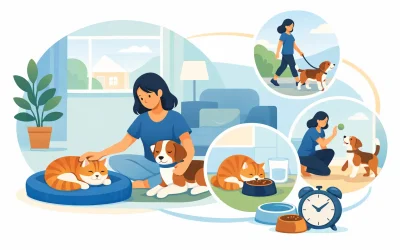
Dogs thrive when the day has a familiar rhythm. They learn when meals happen, when people come and go, and when it is time to rest or head outside. When a work schedule keeps you away for long hours, a scheduled visit helps bridge the gap between your morning goodbye and evening return.
A walk offers more than a bathroom break. Sniffing new scents, changing environments, and moving at a comfortable pace provide healthy mental stimulation. For energetic dogs, that outlet can help reduce restlessness, barking, chewing, or the frantic greeting that sometimes happens after a long day alone. For senior dogs, a shorter, gentler visit may support comfort, mobility, and a regular opportunity to stretch their legs.
Every dog is different, of course. A young Labrador may need a purposeful walk and time to settle afterward. A shy rescue dog may do better with a patient sitter, a familiar route, and a quieter pace. A dog recovering from an illness or procedure may need a carefully managed potty break instead of a long outing. Professional care should account for those differences rather than treating every visit the same.
What a Daily Dog Walking Service Should Include
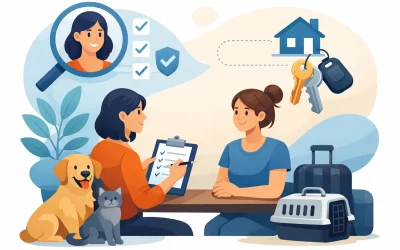
Trust begins well before the leash comes out. A dependable service starts by learning about your dog’s habits, health considerations, feeding instructions, preferred walking equipment, and home routine. Clear digital care notes help ensure that the person arriving at your home has the details needed to provide consistent care.
During a visit, a trained sitter can provide a walk or yard break suited to your dog, refresh water if needed, offer approved treats or meals, and spend time providing welcome companionship. Just as important, they should check that your dog is comfortable before leaving and that the home is secure.
A quality visit also includes observation. Is your dog drinking normally? Are they moving comfortably? Did they seem unusually tired, anxious, or reluctant to go outside? Pet parents cannot notice those small changes when they are at work, which is why an attentive professional can be such a meaningful part of a dog’s support system.
At Apronstrings Pet Sitting, care is provided by trained employees, with detailed records and sitter monitoring that support accountability from visit to visit. That structure matters when you are entrusting someone with both your furry family member and access to your home.
The Difference Between a Walk and Professional Care
A neighbor who loves dogs can be a wonderful friend, but informal help may not always be available when a meeting runs late, a flight is delayed, or a family emergency changes the plan. A professionally managed daily dog walking service is designed around reliability, documented instructions, and an established care process.
Look for a company that is insured and bonded, uses trained team members, and has clear procedures for key handling, home access, and emergency response. Pet first-aid training and veterinary-informed leadership are especially reassuring when a dog has medications, age-related needs, or a health history that deserves closer attention.
This does not mean every dog needs a long walk every weekday. Some households may only need support two or three days a week. Others may need a midday visit daily because of a long commute or an unpredictable work schedule. The best plan is the one that fits your dog’s temperament, physical needs, and the length of time they are typically alone.
A Better Workday for Dogs and Their People
The benefits of a midday visit often show up in the moments around it. Your dog has an expected opportunity to go outside instead of waiting anxiously. You can focus on work without wondering whether a late meeting is unfair to them. When you arrive home, the evening can begin with a happy greeting rather than an urgent dash to the door.
For remote workers, a dog walk can be just as useful. Being home does not always mean being available. Video calls, deadlines, caregiving, and household responsibilities can make it difficult to give a dog the outing they need. Scheduling help can protect that routine without adding guilt to an already full day.
Regular walks may also be helpful during life changes. A new baby, a move, a temporary injury, a demanding project at work, or a shift in family schedules can all affect a dog’s normal pattern. Keeping a familiar walking visit in place provides a small but meaningful source of stability.
How to Choose the Right Schedule
Start with the practical question: how long is your dog regularly alone? Many adult dogs benefit from a midday break when the workday, commute, and errands create an extended absence. Puppies, senior dogs, and dogs with medical needs may require more frequent attention. Your veterinarian can help guide decisions when health or mobility is a concern.
Then think about timing. A visit around midday works well for many dogs, but an earlier or later appointment may better match your household’s schedule. In warm Northern California weather, timing also affects comfort and safety. A thoughtful walker adjusts the pace, route, and outdoor time to the conditions rather than pushing through heat simply to complete a standard walk.
Consistency matters, but flexibility has value too. Reservation-based care gives families a dependable plan while allowing them to request support for business travel, school breaks, or especially busy weeks. The goal is not to create a complicated system. It is to make reliable pet care easy-peezy when life gets crowded.
Preparing Your Dog for a Successful Visit
A meet-and-greet at home is one of the best ways to start. Your dog can meet the care team in their own environment, while you share the details that make them feel secure. Be open about quirks, fears, leash behavior, favorite sniffing spots, medical concerns, and anything that tends to make your dog uncomfortable.
Make sure collars, harnesses, and leashes fit properly, and leave clear instructions for supplies and approved treats. If your dog is wary of new people, a gradual introduction may be worth the extra time. A caring professional will not rush trust, especially with dogs who have had difficult experiences or simply need a little patience.
It also helps to keep your instructions current. Let your care provider know about changes in medication, food, mobility, household access, or behavior. Those updates allow the sitter to continue providing the thoughtful, individualized care your dog deserves.
Care You Can Feel Good About
Leaving your dog at home should not mean leaving them without support. With the right walking partner, your dog can enjoy a familiar routine, attentive companionship, and safe exercise while you keep your commitments beyond the front door.
If your schedule has started asking too much of your dog’s patience, consider what one reliable midday visit could change. A calmer dog, a more comfortable homecoming, and the reassurance that someone capable is checking in can make the whole day feel lighter.