As summer approaches and temperatures begin to rise, pet owners need to pay close attention to pet heat safety. While summer brings longer walks, outdoor time and adventures, and sunny afternoons, the hot weather can quickly become dangerous for pets. Dogs and cats are far more vulnerable to heat-related illnesses than people realize, and they can overheat very quickly.
By knowing proper summer heat safety, you can help protect your pets from heat exhaustion, dehydration, burned paws, and other potentially life-threatening heat-related conditions. Whether you have a playful dog who loves outdoor walks or an indoor cat that enjoys lounging in sunny windows, these summer heat safety tips will help keep your pets safe and comfortable during the hottest months of the year.
Why Following Heat Safety Tips Matters
Unlike humans, pets cannot cool themselves through sweating. Dogs mainly regulate body temperature by panting, while cats regulate their body temperature by grooming. During extreme heat and humidity, these natural cooling methods may not be enough for our cats and dogs. Certain pets are at even higher risk for heat-related illnesses, including flat-faced breeds like Bulldogs and Persian cats, senior pets, overweight animals, pets with heart or respiratory conditions, and thick-coated breeds. Practicing summer heat safety is essential to preventing overheating and heatstroke, and to protecting your pet’s health.
Signs of Heat Exhaustion in Cats and Dogs
Recognizing early warning signs of overheating can make a huge difference and potentially save our pets’ lives. Symptoms of overheating may include: excessive panting, drooling, lethargy, vomiting, bright red gums, a rapid heartbeat, difficulty breathing, and/or weakness or collapse. If your pet shows these signs of heatstroke, move them to a cool area immediately, provide cool (not ice-cold) water, and contact a veterinarian immediately for assistance.
Summer Heat Safety Tips for Dogs
Avoid Midday Walks
In the summer, the pavement can be hot and high temperatures can quickly overheat dogs. Try walking your dog early in the morning or later in the evening, when temperatures are cooler; your dog can’t burn their pawpads on pavement. A good rule for summer heat safety is to place the back of your hand on the pavement for seven seconds. If it feels too hot for you, then it is definitely too hot for your dog’s paws.
Always Bring Water
Hydration is essential during the summer months. Be sure to carry fresh water and a portable bowl whenever you are outside with your dog. Encourage frequent water breaks, especially during walks or outdoor play in the sun.
Never Leave Dogs in Cars
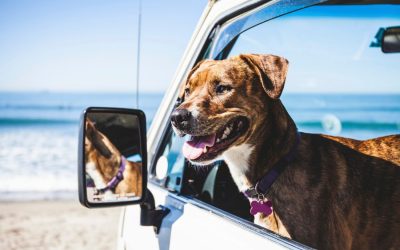
One of the most important summer heat safety rules is never leaving pets inside parked vehicles. Even with windows cracked, temperatures inside a car can become deadly within minutes. On a warm day, the inside of a vehicle can reach dangerous temperatures extremely quickly, putting pets at serious risk for heatstroke and death. Leave your pets at home if you need to run errands on a hot day.
Provide Shade, Cool areas and Limit Intense Exercise.
If your dog spends time outdoors, ensure they always have access to shaded areas and cool shaded resting spots. Cooling mats, kiddie pools, and fans can help dogs stay comfortable during heat waves. Keep running, hiking, and intense play sessions to a minimum during extreme heat. Dogs can overheat faster than owners realize, particularly during humid weather.
Summer Heat Safety Tips for Cats
Keep Indoor Cats Cool
Indoor cats may seem safer from the heat, but homes can still become dangerously warm, especially if you don’t have air conditioning. Keep blinds partially closed, use fans or air conditioning, and provide cool resting areas throughout the house. Tile floors, shaded corners, and cooling mats can also help cats regulate body temperature.
Encourage Hydration
Cats are often less motivated to drink water than dogs, making hydration especially important during summer. Some ways to encourage more water intake include providing multiple water bowls, using pet water fountains, adding ice cubes to water (if they’re intrigued), and offering wet food for additional moisture. Remember, proper hydration plays a major role in summer heat safety for cats.
Watch for Sunburns and Keep Cats Away from Windows.
Many people do not realize that cats can get sunburned, especially light-colored or hairless breeds. Ears, noses, and thinly furred areas are particularly vulnerable to the sun. Limit prolonged sun exposure and provide shaded areas if your cat spends time outdoors. Additionally, don’t forget that warm weather often means open windows, but unsecured screens can create dangerous situations for curious cats. Ensure window screens are sturdy and secure to prevent any falls or escapes.
Grooming and Summer Heat Safety
After the colder months, grooming is essential to remove winter and spring fur. Regular grooming can help both cats and dogs stay cooler during summer. Brushing removes excess fur and prevents matting, which can trap heat close to the body. However, avoid shaving double-coated breeds unless advised by a veterinarian or professional groomer. A pet’s coat often helps regulate temperature and protects against sunburn. For any grooming questions, be sure to ask your professional pet groomer or your veterinarian for their expertise and guidance on what would work best for your pet breed.
Enjoy the Summer Fun Safely
Summer should be enjoyable for both pets and owners, but rising temperatures require extra caution. Practicing proper summer heat safety can help prevent heat-related emergencies and keep your cats and dogs healthy all season long. By staying proactive and informed about summer heat safety, you can ensure all your furry companions enjoy a happy, healthy, and safe summer by your side.
For your professional pet sitting needs this summer, contact ApronStrings Pet Sitting.