As spring nears, pet parents everywhere look forward to longer walks, backyard playtime, and fresh air with their furry companions. But spring also brings seasonal dangers that can put your pets at risk. From parasites to poisonous plants, it’s essential to stay proactive and knowledgeable about your pet’s health. Check out our spring pet safety checklist to help you prepare and protect both dogs and cats so they can enjoy the season safely.
Starting Flea Prevention in the Spring
Warmer weather brings out more than just people and animals. It also creates the perfect environment for bugs like fleas and ticks to thrive. These tiny parasites can quickly become a major problem affecting our pets’ health, causing itching, skin irritation, and even allergic reactions in both dogs and cats. If you’re in a grassy area or frequent hiking trails, be sure to watch out for any excessive scratching or biting at the skin, red or irritated patches, and flea dirt (tiny black specks) in your pet’s fur.
To help prevent any fleas, start this spring with a veterinarian-approved flea prevention program early in the season. Additionally, cleanliness is key; wash pet bedding regularly in hot water, vacuum carpets and furniture frequently, and check your pet’s coat after any outdoor activities. Keep in mind that fleas can multiply rapidly, so prevention is much easier than dealing with a full-blown infestation, especially if you have multiple pets in your home.
Tick Prevention and Awareness
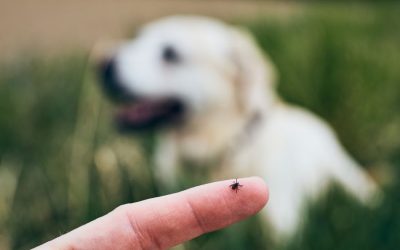
Like fleas, ticks come out with warmer weather. They become highly active in spring and are commonly found in wooded areas, tall grass, and even urban parks. Ticks are more than just a nuisance; they can cause more serious issues and can transmit deadly diseases to both pets and humans. On your pets, ticks can hide around the ears, between the toes, under the collar, and in the armpit and groin areas. It’s essential to give your pets a full-body check after any prolonged exposure to the outdoors, especially in grassy or wooded areas with foliage. In addition to performing full-body checks, use a vet-recommended tick prevention treatment and keep your yard trimmed and free of debris where fleas and ticks can hide. If you find a tick on your pet, remove it carefully with tweezers and monitor the area for signs of irritation or infection. Be sure to contact your veterinarian if you notice any unusual symptoms, such as lethargy or loss of appetite.
Be Aware of Toxic Plants
April showers bring May flowers, but some plants are best avoided around pets. Some popular plants can be highly toxic to pets, especially curious cats and dogs who like to nibble. Some common spring plants that are toxic to pets include lilies (extremely toxic to cats), tulips and daffodils, hyacinths, as well as azaleas and rhododendrons. If you plan to start a garden this spring, be sure to do your research on some pet-safe plants that your pets can be around. Some signs that your pet has ingested a toxic plant include drooling or vomiting, diarrhea, lethargy, and difficulty breathing (in severe cases). Be sure to contact your vet immediately if you suspect your pet ingested something toxic. Even small amounts of certain plants, especially lilies for cats, can cause serious health issues, so prevention is key.
Yard & Garden Safety
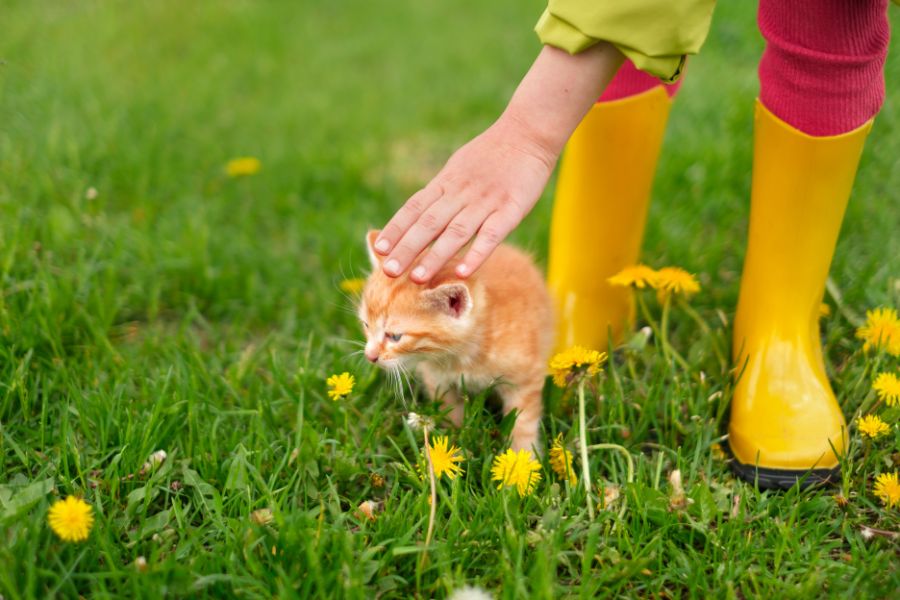
With spring comes garden season and more time outdoors. Unfortunately, many gardening products can be toxic to pets. Keep any fertilizers and pesticides, mulch (especially cocoa mulch, which is toxic to dogs), and sharp tools or debris out of reach of your pets. A pet-friendly yard ensures your dog or cat can explore safely without exposure to harmful substances. Keeping chemicals securely out of reach, choosing pet-safe lawn care products, cleaning up tools and yard waste promptly, and keeping pets away from treated areas until they are fully dry can help keep your pet safe and prevent any unwanted harm.
Allergy Season for Pets
Just like humans, pets can suffer from seasonal allergies triggered by pollen, grass, and mold. Allergy symptoms for pets can include itchy skin or ears, watery eyes, sneezing, and excessive licking or chewing. To help prevent or reduce allergy symptoms, be sure to wipe your pet’s paws and coat after being outdoors, bathe them regularly with a gentle, pet-safe shampoo, and, if symptoms persist or get worse, consult your veterinarian about allergy treatments. Managing allergies early can prevent more serious skin infections or discomfort later in the season. For more information about common pet allergies and how to prevent them, check out our blog.
Be Prepared this Spring
Using this spring pet safety checklist as your guide, you’ll be well-prepared to handle seasonal risks and make the most of everything spring has to offer. Spring is a wonderful time to bond with your pets and enjoy the outdoors together with a bit of extra vigilance. By staying on top of flea and tick prevention, avoiding toxic plants, and creating a safe environment, you can ensure your furry companions stay healthy and happy this spring and summer!
For your dog walking and pet sitting needs this spring, contact Apronstrings Pet Sitting.