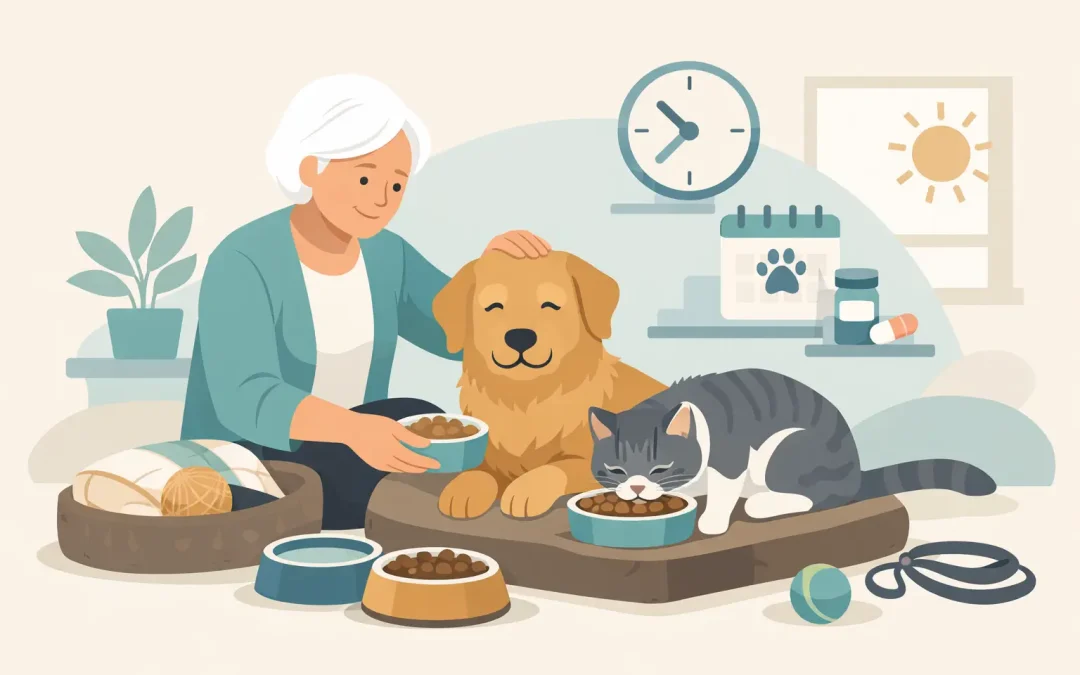
A senior dog who pauses longer at the bottom of the stairs or a cat who now prefers a sunny chair to the usual window perch may not need a dramatic change in care. They do need someone who notices the small changes. Senior pet sitting care is about preserving the familiar rhythms that help aging pets feel safe while giving their families confidence that a caring, observant professional is paying attention.
For many older pets, home is more than a comfortable place to sleep. It is where the water bowl is always in the same spot, where the floors smell familiar, and where a favorite person has built years of loving routines. When work, travel, or family commitments take you away, in-home care can offer a gentler alternative to a busy boarding environment.
Why Senior Pet Sitting Care Is Different
Older pets often have needs that are subtle rather than complicated. A younger dog may race through a walk, eat dinner without hesitation, and bounce back from a change in schedule. A senior dog may need a slower pace, more time outside, or a little encouragement to eat. An older cat may require calm companionship, a freshly maintained litter box, and a watchful eye for changes in mobility, appetite, or bathroom habits.
That does not mean every senior pet needs medical-level attention. It means their care plan should be personal. Arthritis, hearing loss, vision changes, cognitive changes, sensitive digestion, and prescribed medications can all affect what a comfortable visit looks like. The best plan begins with your pet’s normal routine, then makes thoughtful allowances for where they are now.
Consistency matters especially when a pet is managing discomfort or confusion. The same meal timing, the same route to the yard, and the same quiet approach can reduce stress. A familiar home setting also helps many senior pets avoid the overstimulation and exposure to illness that can come with an unfamiliar facility.
Start With Your Pet’s Everyday Baseline
The most useful senior care notes are not limited to feeding instructions. They explain what is normal for your individual pet. Does your dog usually take a few minutes to rise after a nap? Does your cat drink from a fountain but ignore a bowl? Is a certain touch welcome on one day and uncomfortable on another? These details help a sitter recognize the difference between a normal quirk and a possible concern.
During an in-home meet-and-greet, show the sitter where food, medications, mobility aids, cleaning supplies, leashes, and carriers are kept. Explain your pet’s preferred handling, including any areas that are tender or any situations that cause anxiety. A complete plan also identifies your veterinarian, emergency contacts, and your preferred decision-maker should an urgent situation arise.
Digital care records are particularly helpful for senior pets because instructions can be updated as needs change. A pet who was comfortable with a 25-minute walk last season may now do better with a short, unhurried potty break and gentle time in the yard. Care should follow the pet in front of you, not an outdated routine.
Medication Routines Need Clear Communication
Many older pets take daily medication, supplements, or special diets. Clear instructions protect both the pet and the person providing care. Write down the medication name, dose, timing, method of administration, and whether it should be given with food. If a pill is hidden in a treat, note the exact treat your pet reliably accepts.
It also helps to share what has worked and what has not. Some pets gladly take a tablet in a small bite of food; others quickly learn to eat around it. A professional sitter should never guess at a medication routine or make a substitution without your direction and appropriate veterinary guidance.
Medication support is one area where experience and training matter. A team with veterinary-informed leadership, pet first-aid training, and documented care notes can bring useful structure to the visit. At Apronstrings Pet Sitting, the goal is to make the process easy-peezy for families while treating every instruction with the care it deserves.
Comfort Is Part of the Care Plan
Senior pets frequently need more time, not more fuss. Allowing an older dog to move at a comfortable pace can be kinder than urging them to finish a long walk. Letting a senior cat approach for affection instead of being lifted can prevent discomfort. Gentle patience is often the difference between a visit that simply checks boxes and one that truly supports a pet’s well-being.
Home safety deserves attention, too. Clear pathways can help pets with reduced vision or mobility. Keep food and water accessible, and make sure nighttime lighting is adequate if your pet wanders after dark. For dogs who have trouble with stairs, arrange the care routine around the level of the home where they are most comfortable whenever possible.
Weather can change the plan. Hot pavement, cold rain, or smoky air may mean a shorter outing and more indoor companionship. A good sitter pays attention to the conditions as well as the schedule. For an aging pet, the right amount of exercise depends on health, temperament, mobility, and the advice of the family veterinarian.
Observation Without Overreacting
Senior pets can have off days. A slower morning or an extra nap is not automatically an emergency. Still, changes deserve documentation and prompt communication, especially when they involve eating, drinking, elimination, breathing, balance, alertness, or behavior.
A dependable sitter observes with context. If a dog who normally finishes breakfast leaves it untouched, that is worth reporting. If a cat who uses the litter box regularly suddenly has an accident nearby, the family should know. The same is true when an affectionate pet hides, a steady walker becomes uncoordinated, or a pet seems unusually restless.
Professional care does not replace veterinary treatment. It creates an extra set of trained, caring eyes during the times you cannot be home. When something seems outside the pet’s normal pattern, timely communication allows the family to decide whether a veterinarian should be contacted.
Choose Care You Can Count On
As pets age, dependability becomes more than a convenience. Families need to know that visits will happen as scheduled, that instructions will be followed, and that someone can respond thoughtfully if a routine changes. This is why a managed pet sitting service can offer meaningful reassurance over an informal arrangement with a neighbor or a hobby sitter.
Look for a provider that takes household access and care records seriously. Bonded and insured service, trained employee sitters, ongoing staff education, sitter monitoring, and a formal onboarding process all help create accountability. These details may feel operational, but they support the emotional promise behind senior care: your furry family member is not being treated as an afterthought.
Communication should be straightforward and useful. Families generally want to know that their pet ate, went outside, received medication as directed, and had a comfortable visit. For a senior pet, an update may also include mobility observations, mood, or a note about a change that deserves your attention. The right amount of information helps you stay connected without adding worry to a workday or trip.
Give Your Pet a Plan That Can Change With Them
Senior years are not one fixed stage. Some pets remain playful and active well into old age, while others need more support sooner. Revisit your care instructions after a diagnosis, a medication change, a move, a mobility shift, or any change in household routine. Even a small update, such as placing water closer to a favorite bed, can make a real difference.
The kindest plan is usually the most familiar one: meals served with care, movement at a comfortable pace, a clean and peaceful home, and a trusted person who knows what to watch for. With that support in place, you can step away when needed knowing your senior companion is spending the day where they feel most loved – at home.