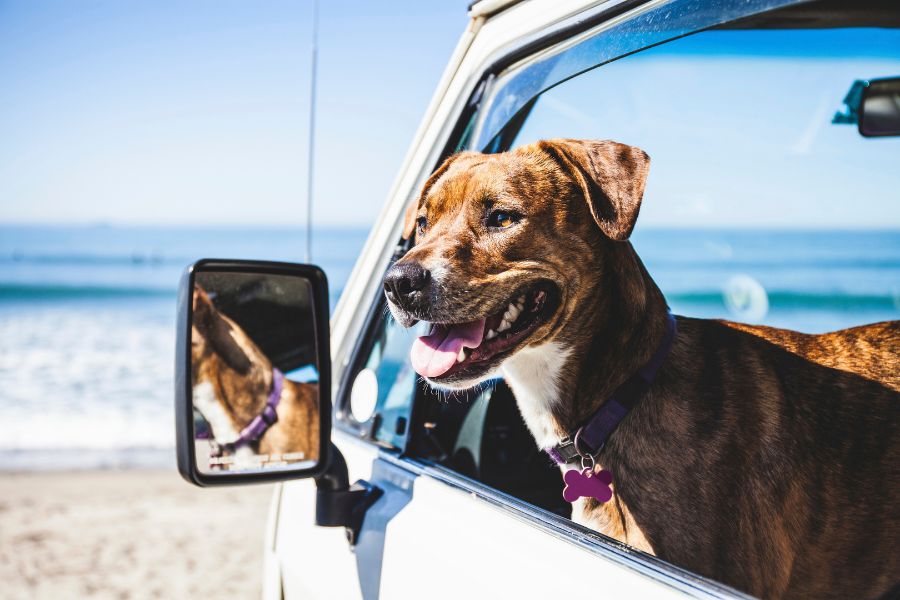
Summer is the season of road trips, and for many pet owners, the adventure isn’t the same without bringing their four-legged companions along. Whether you’re heading to a cottage, camping at a campground, visiting family, or exploring a new state, a little planning can help ensure your trip is safe, enjoyable, and stress-free for both you and your pet. Dogs and cats have different travel needs, but with the right preparation, both can make excellent travel companions. Here are some essential tips to help you road trip safely with your pets this summer.
Schedule a Health Check Before You Leave
If you’re setting off on a long journey that’s more than a couple of days, then it’s a good idea to book a wellness exam with your veterinarian, especially if your pet is a senior, has a medical condition, or hasn’t travelled before. It’s essential to make sure your pet is up to date on vaccinations and protected against fleas, ticks, and heartworm. Some states or places have strict rules for animals, so it’s important to have the necessary vaccinations. Additionally, your vet will be able to prescribe any necessary medications and determine if they are healthy enough for extended travel. If your pet experiences anxiety or motion sickness during car rides, speak with your veterinarian before your trip. They can recommend safe options to help make travel more comfortable.
Keep Your Pet Safely Restrained
Keeping pets safely restrained protects everyone in the vehicle. One of the biggest mistakes pet owners make is allowing pets to roam freely inside the vehicle. While it may seem harmless and more comfortable for your pet, an unrestrained pet can distract the driver, interfere with steering or braking, and sustain serious injuries during sudden stops or collisions. For dogs, depending on their size, use a crash-tested travel harness secured to a seatbelt, a secure travel crate, or a vehicle barrier when travelling in an SUV. For cats, always travel in a sturdy, well-ventilated carrier. Be sure to secure the carrier with a seatbelt to prevent it from sliding during travel and never allow your cat to roam freely inside the vehicle.
Pack a Pet Travel Kit
Just like we pack essentials for ourselves, our pets need their own travel bags too. Your pets need their own bags that include the following necessities, food for the entire trip, plenty of fresh water, portable food and water bowls, their favourite treats, a spare leash and harness, waste bags, a litter box, litter, and scoop for cats, necessary medications, vaccination records and required paperwork , a pet first aid kit, some towels, a grooming brush, their favourite toy or blanket, and an extra collar with updated ID tags. Along with being necessary for your pets, their familiarity can also help reduce travel anxiety.
Take Frequent Breaks and Be Prepared for Emergencies
If you’re travelling with a dog, planning to stop every two to three hours is essential. These breaks allow your dog to stretch their legs, relieve themselves, drink some water, and cool down before continuing the drive. Be sure to do your research and choose pet-friendly rest areas whenever possible, and always keep your dog on a leash, even if they have excellent recall. Cats usually prefer to remain inside their carrier throughout the journey. Resist the temptation to let them out during roadside stops, as unfamiliar environments can easily cause them to panic and escape, causing chaos in the car.
During travel, unfortunately, accidents and unexpected situations can happen. Before leaving, it is essential that you save the contact information for veterinary clinics near your destination, and know the location of the nearest 24-hour emergency veterinary hospital. Be sure that your pet’s microchip information is up to date, and before leaving, double-check that ID tags include your current phone number. It’s also wise to carry a recent photo of your pet in case they become lost or run away.
Never Leave Pets in a Parked Vehicle and Keep Everyone Comfortable
As obvious as it is, it’s important to note that you should never leave your pet in a parked car. Even on a mild summer day, the inside of a parked vehicle can become dangerously hot within minutes. Cracking the windows provides very little protection, and temperatures can quickly reach life-threatening levels. If your destination doesn’t allow pets, it’s safest to leave them at home, at a boarding facility, or with a pet sitter rather than risk their lives.
Keeping our pets comfortable for long car rides is essential. Keep your vehicle cool by using air conditioning throughout the car ride, blocking direct sunlight with window shades, providing plenty of drinking water when you can and avoiding travelling during the hottest part of the day if possible. Be sure to keep an eye out for signs of overheating, including excessive panting, drooling, weakness, vomiting, or lethargy. Cats may show open-mouth breathing, drooling, or unusual restlessness if they become too hot.
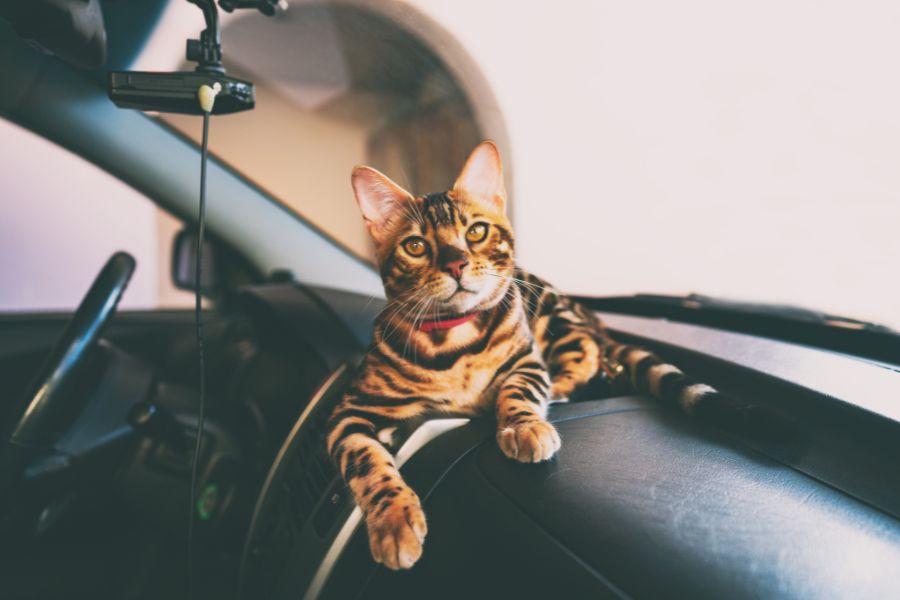
Cats generally find travel more stressful than dogs, so it’s essential to follow a few simple steps to make the experience easier. Before your travels, leave the carrier out for several days so your cat can explore it on their own. Place soft bedding and familiar blankets inside to create a comfortable space. During your trip, avoid opening the carrier while driving, even if your cat is vocalizing. A frightened cat can quickly disappear into the vehicle, making it difficult and unsafe to continue driving. In general, it’s good to keep the car quiet and calm, with minimal loud music or sudden movements.
Feed Wisely Before and During Travel
Depending on how long your road trip is, it’s essential to plan your pet’s feeding around it. This will help prevent motion sickness and accidents in the car. Instead of their usual meal amounts and frequency, feed a light meal a few hours before departure and, if appropriate, offer your pets small treats during rest stops. Be sure to keep fresh water available throughout the trip. Once you arrive at your destination, you can revert back to your pet’s regular feeding schedule.
Find Hotels and Vacation Rentals that are Pet-Friendly
Before heading out on your trip, it’s crucial that you book accommodations at places that welcome pets. Once you have confirmation that your pets are welcome, be sure to be considerate of the people around and the rules regarding pets. When you arrive, be respectful and keep dogs leashed while exploring unfamiliar areas, and set up your cat’s litter box in a quiet room. Allow your pets time to adjust before introducing them to new surroundings and be sure to keep windows and doors securely closed to prevent escapes. By bringing familiar bedding or blankets, you can help your pet feel more at home.
Enjoy the Journey Together
Road trips create unforgettable memories, and with proper planning, your pets can safely be part of the adventure. By ensuring your pet is healthy, safely restrained, comfortable, and well-hydrated, you’ll reduce stress and help keep them safe throughout the journey.
Summer travel should be exciting for every member of the family—including the ones with paws. With a little extra planning, you and your pet can enjoy the open road together and make this summer one to remember! If you can’t take your pets with you this summer, contact Apronstrings Pet Sitting to do your pet-sitting needs!