As summer winds down and fall approaches, routines often start to change. Kids head back to school, vacations come to an end, and many people return to a more regular work schedule. While these changes may feel like a natural part of the season for us, your pets may need a little extra time to adjust. Dogs and cats thrive on consistency, and a sudden change in their daily routines can sometimes lead to stress, boredom, or unwanted behaviours. Fortunately, with a little preparation, patience, and plenty of positive reinforcement, you can help your pets make a smooth transition from summer freedom to a more structured fall schedule.
Start Adjusting the Routine Early
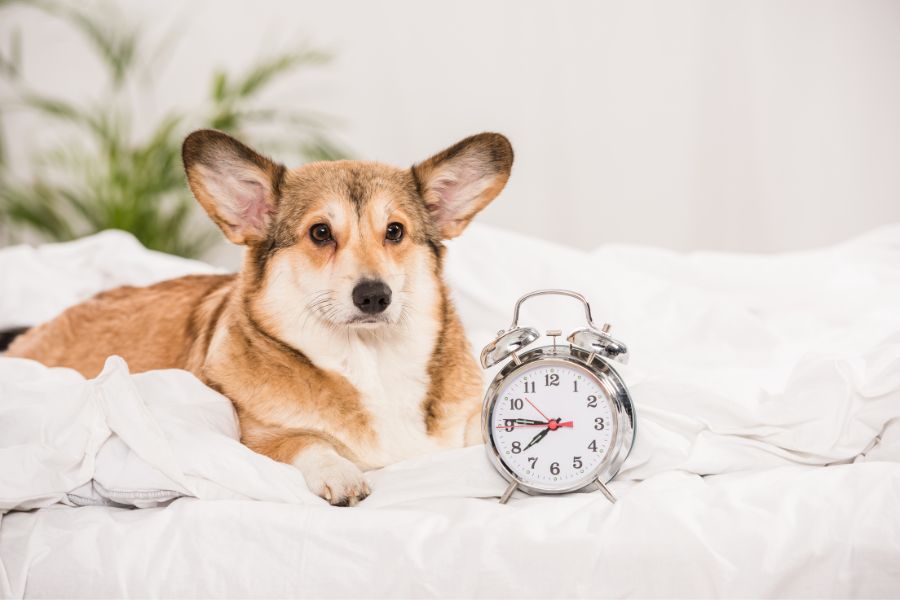
If your household has been sleeping in, staying up later, or following a more relaxed schedule during the summer, begin shifting your pet’s routine gradually before fall arrives. For dogs, this could mean moving morning walks, meals, playtime, and bedtime earlier or later by 10 to 15 minutes every few days. A gradual transition can make the change feel less abrupt. Cats can benefit from a predictable schedule, too. If your cat has become accustomed to having people around during the day, suddenly being alone for several hours may be an adjustment. Start introducing periods of quiet or alone time before the school or work routine begins.
Help Dogs Stay Active
A busier fall schedule doesn’t mean your dog should lose out on exercise and enrichment. If your morning routine becomes more rushed, consider how you can still provide opportunities for your dog to burn off physical and mental energy. A morning walk before everyone heads out can help your dog start the day feeling satisfied. Puzzle toys, sniffing games, treat-dispensing toys, and short training sessions can also provide mental stimulation when you don’t have time for a long outing. If your dog has a high activity level or struggles with being alone all day, consider whether a pet sitter or doggy daycare could be helpful on certain days. Even one or two days of additional exercise, socialization, or companionship each week can make a difference, depending on your dog’s needs and your schedule.
Don’t Forget About Your Cat
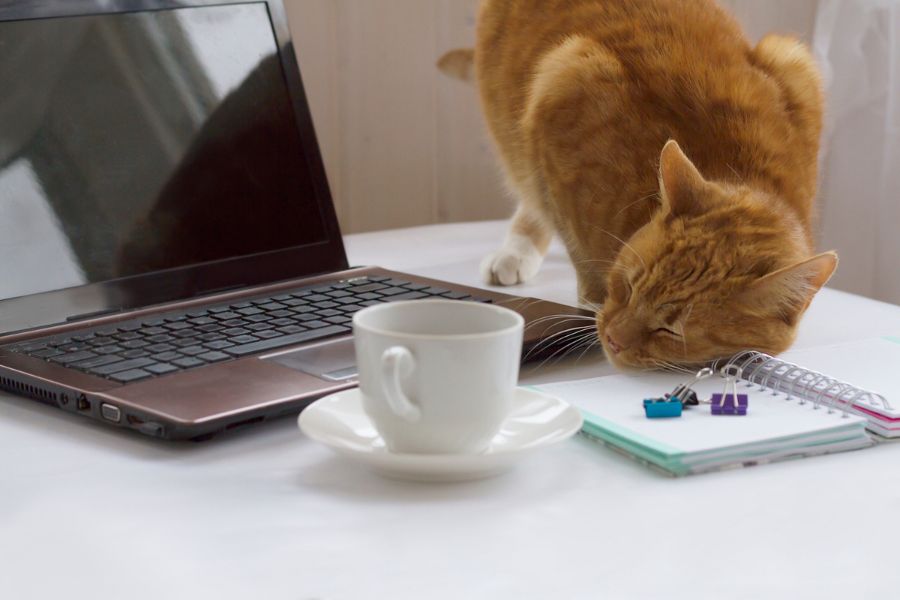
Cats may be more independent than dogs, but they still notice changes in their environment and daily routine. If your children have been home all summer and suddenly disappear for most of the day, your cat may notice the difference. Make sure your cat still has opportunities for play, attention, and enrichment. Interactive toys, scratching posts, window perches, food puzzles, and climbing spaces can help keep them occupied while the house is quiet. Try to maintain consistent feeding and play times whenever possible. Even a few minutes of dedicated one-on-one interaction can give your cat something predictable to look forward to each day.
If You Have Kids, Include Pets in the Transition
Back-to-school season can be a big adjustment for pets who are used to having children around. Your dog or cat may miss the extra attention, playtime, noise, and companionship they’ve enjoyed all summer. Before school starts, involve your kids in establishing the new routine. They can help with morning walks, feeding, playtime, grooming, or preparing enrichment activities. This can help your pet understand what to expect while also teaching children about pet care, consistency and responsibility. If your pet still seems unsettled once school begins, look for ways to replace some of the activities they’re missing rather than simply assuming they’ll “get used to it.”
Pay Attention to What Your Pet Is Missing
Every pet responds differently to change. If you notice barking, destructive behaviour, changes in appetite, accidents, excessive meowing, hiding, or other unusual behaviours, consider what may have changed from your pet’s perspective. Maybe your dog is missing their long afternoon walk. Maybe your cat misses having someone around during the day. Perhaps your pet needs more mental stimulation or quality time with their family. Observing your pet’s behaviour can help you identify what they’re missing and find a practical way to meet that need.
Give Them Grace and Have Patience
Most importantly, remember that adjusting to a new routine takes time. You likely won’t get things right the first time. Your pet doesn’t understand that summer is ending or that everyone has to return to school and work. They just know that their familiar daily pattern has changed. Be patient, introduce changes gradually, and use positive reinforcement to encourage good behaviour. With consistency and understanding, most pets can successfully settle into their new fall routine. A little planning now can make the transition easier for everyone—and help your dog or cat head into fall feeling happy, secure, and cared for. For some extra companionship during the day, consider hiring a professional pet sitter like Apronstrings, even if it’s just to check in.