
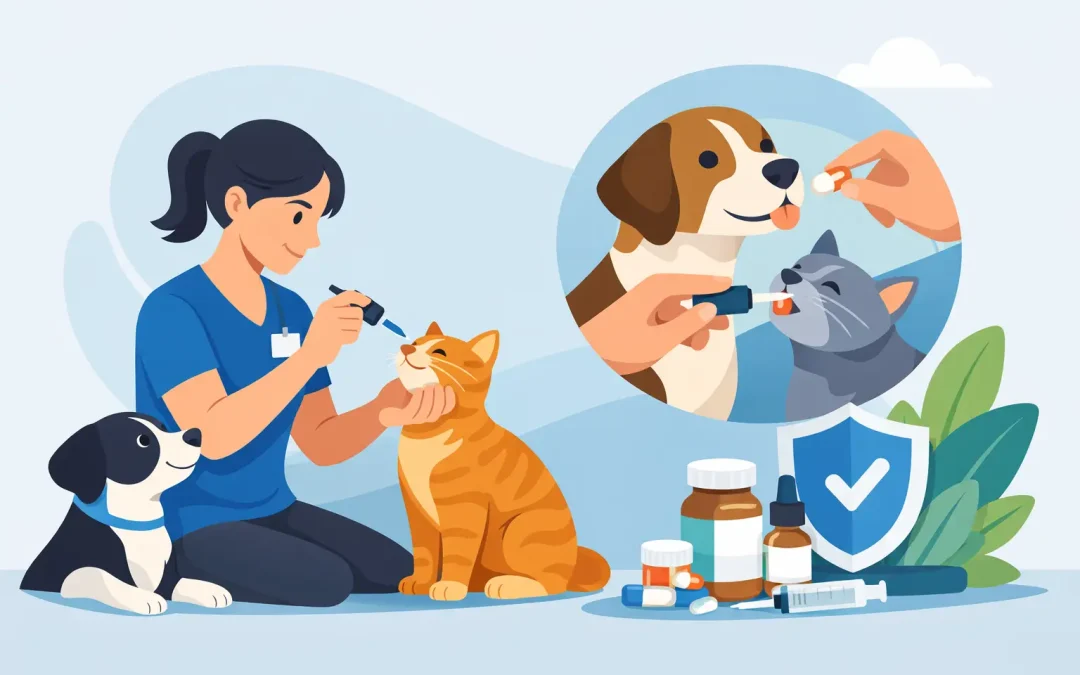
A missed dose can feel like a very big deal when your furry family member depends on medication to stay comfortable and well. Pet sitter medication administration is not simply adding a pill to a food bowl. It calls for clear instructions, calm observation, dependable timing, and a care team that understands the trust you are placing in them.
For many dogs, cats, and household pets, remaining at home is the gentlest option while their family travels or works long days. Familiar rooms, familiar smells, and a familiar routine can reduce stress. But when medication is part of that routine, choosing care based on more than convenience matters.
What Safe Pet Sitter Medication Administration Looks Like
The best medication plan begins before the first visit. A professional sitter should gather detailed written information about every medication your pet receives, including the name, dose, schedule, method of administration, storage needs, and the reason it was prescribed. This is especially helpful when more than one person may provide care over a multi-day trip.
A thoughtful intake also identifies the little details that make a real difference. Does your cat accept a pill in a particular treat, or does she need it placed directly? Does your dog take liquid medication after breakfast because an empty stomach causes nausea? Has your pet ever refused medication, spit it out, or reacted badly to a dose? Clear answers help a sitter follow your veterinarian’s directions instead of guessing.
At Apronstrings Pet Sitting, detailed digital care notes and an in-home meet-and-greet help build that foundation before ongoing care begins. It is an easy-peezy process for families, but the information collected is serious business. Medication routines deserve the same attention as feeding, exercise, home access, and every other part of your pet’s daily care.
Why Timing and Documentation Matter
Some prescriptions allow for a bit of flexibility. Others need to be given at closely scheduled intervals to maintain their intended effect. Your veterinarian is the right source for instructions about timing, missed doses, food requirements, and whether a medication can be safely combined with another treatment.
A capable sitter follows the plan provided by the guardian and veterinarian, then documents what happened during each visit. That record should include the time medication was offered or administered, whether it was accepted, and anything unusual noticed along the way. If a pet vomits after a dose, refuses a pill, seems unusually sleepy, or shows a change in appetite, that information should be communicated promptly.
Documentation is not just paperwork. It provides continuity. When your regular sitter has a day off, when a trip runs longer than expected, or when you return home tired from travel, clear records prevent confusion. They also give you a more complete picture of how your pet did while you were away.
The Meet-and-Greet Is the Time to Practice
Medication care should never be a surprise on departure day. During an in-home meet-and-greet, show the sitter exactly how you give each medication and where supplies are kept. If your pet is comfortable with the process, let the sitter observe or practice under your guidance when appropriate.
This is also the time to explain your pet’s personality. A friendly dog may become wary when someone reaches near his face. A shy cat may hide after hearing the cabinet where her medication is stored open. Those are not signs of a difficult pet. They are useful details that help a sitter use patience and the least stressful approach possible.
If administration is especially challenging, ask your veterinarian whether there is another form of the medication available. Some prescriptions may come as flavored liquids, chewables, transdermal preparations, or compounded formulas. The right option depends on the medication and your pet’s medical needs, so it is not a choice to make without veterinary guidance.
Prepare a Medication Station Before You Leave
A simple, organized setup makes safe care much easier for everyone. Keep medications in their original labeled containers whenever possible, and place them together in one designated location away from curious pets and children. Avoid leaving a handful of loose pills in an unmarked bag or asking a sitter to identify medications by color.
Before your trip, provide these essentials:
- Written instructions for each medication, including the dose, time, method, and food requirements.
- Your veterinarian’s name, phone number, and any after-hours emergency contact information.
- Your preferred emergency clinic and clear authorization for veterinary care if you cannot be reached.
- Enough medication for the full reservation, plus a small buffer in case travel plans change.
It also helps to leave the right tools nearby, such as a pill cutter, syringe, measuring spoon, gloves, or a preferred pill pocket. If a medication must be refrigerated, explain exactly where it belongs and make sure it is clearly separated from household food. A sitter should not need to search through cabinets while trying to keep a nervous pet calm.
When a Sitter Should Call You or the Veterinarian
Even with excellent preparation, pets can be unpredictable. A professional sitter should know when a situation has moved beyond routine care. Repeated refusal of medication, vomiting shortly after a dose, trouble breathing, facial swelling, collapse, severe diarrhea, seizures, sudden weakness, or a major change in behavior all call for prompt communication and, in many cases, veterinary direction.
The right response depends on the prescription, the pet’s condition, and your veterinarian’s instructions. A sitter should never double a dose to make up for a missed one or force medication in a way that risks injury, choking, or fear. If a pet refuses a dose, the safest next step is usually to contact the guardian and veterinarian for guidance rather than improvising.
This is where veterinary-informed leadership, pet first-aid training, and established procedures offer meaningful reassurance. Training does not replace veterinary medicine, but it helps a care team recognize concerns, communicate clearly, and act responsibly when a pet needs attention.
Questions to Ask Before Hiring a Medication-Capable Sitter
Not every pet sitter provides the same level of medication support, and not every medication is appropriate for at-home administration. Ask prospective providers what types of medication they routinely handle, how they document doses, and how they communicate with clients if there is a problem. You can also ask whether sitters are employees, what training they receive, and how visits are monitored.
Insurance and bonding, reliable scheduling systems, and backup coverage are practical safeguards when your pet’s care cannot be skipped. A neighbor may be kind and well-intentioned, but a managed professional service is built to provide accountability when life gets busy or plans change.
It is equally reasonable to ask whether your pet’s particular needs are a fit. Injectable medications, complicated conditions, pets with a history of serious reactions, or animals who are highly stressed by handling may require a veterinary technician, clinic boarding, or another level of medical support. Good pet care providers will be honest about those boundaries because your pet’s well-being comes first.
Give Your Pet the Comfort of a Familiar Routine
Medication time does not have to take over your time away. With complete instructions, proper supplies, and an experienced sitter who treats your pet with patience, it can remain one dependable part of a normal day at home. Your dog can still enjoy a walk and a warm greeting. Your cat can still nap in her favorite sunbeam after breakfast.
Before your next trip or long work stretch, take a few extra minutes to walk through your pet’s medication routine with the people caring for them. That small act of preparation gives your pet something priceless: steady, loving care that feels familiar when you cannot be there.
